Use Cases
Practical examples of Volvo DPF, EGR, and SCR delete applications across trucks, construction equipment, and marine engines.
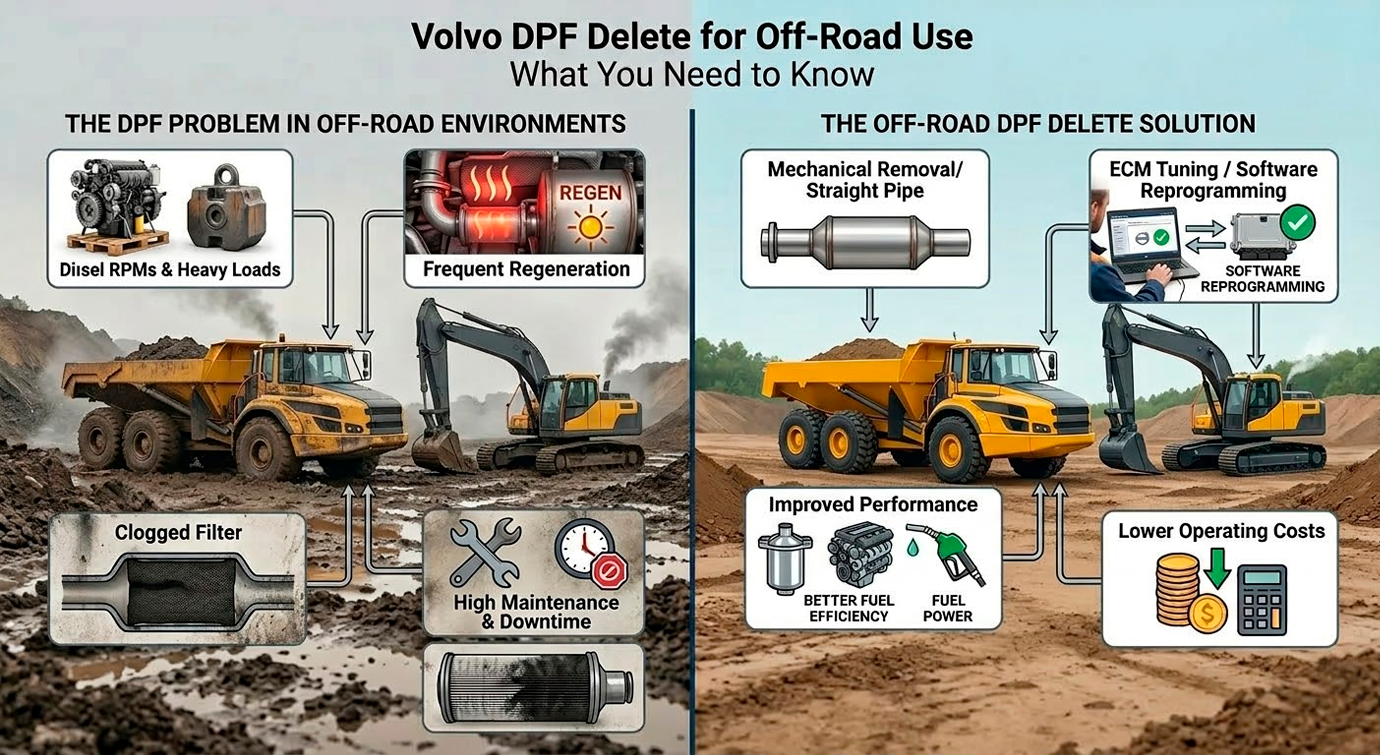
Volvo DPF Delete for Off-Road Use: What You Need to Know
Volvo trucks and construction equipment have DPF systems integrated for emissions compliance. However, in off-road applications, these systems lead to frequent clogging, downtime, and increased cost of ownership. This article will describe the function of the DPF, the reasons for its problematic operation in low-RPM, and high-load conditions, and the advantages of a DPF delete. Furthermore, it will describe the process including the DPF removal, ECM tuning, and will address the major risks and the legal aspects for off-road equipment owners.
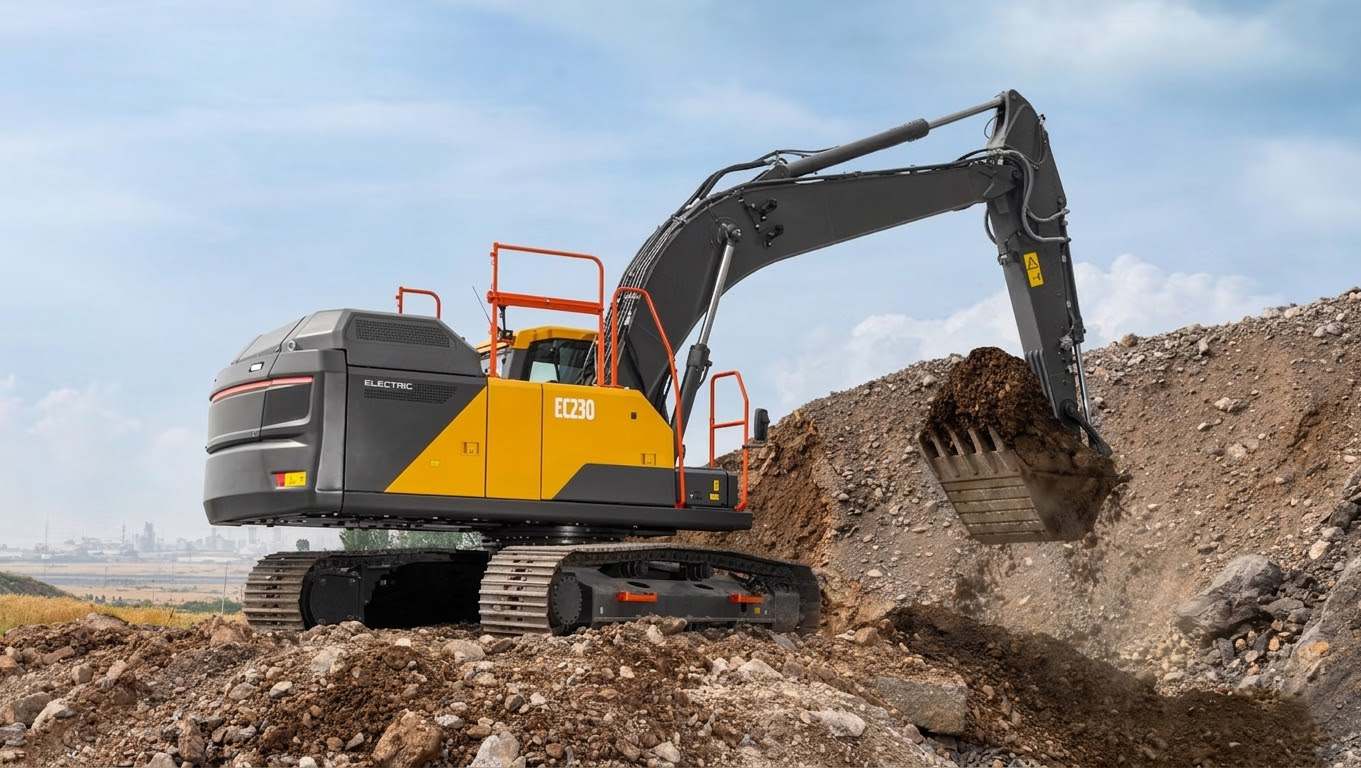
DPF Features on Volvo EC, EW, and L Equipment: Common Problems and Practical Solutions
This article details the functioning of the DPF systems on the Volvo EC, EW, and L Construction equipment, and discusses typical problems such as clogging, failed regeneration, and sensor problems. The article discusses the issues, and the practical, cost-effective, and time-saving solutions such as Maintenance, Diagnosis, and Cleaning, as well as the Software-deactivation of DPF systems to improve reliability and reduce downtime.

Volvo Excavator DPF Delete: Is It Worth Removing the DPF from Your Excavator?
While Volvo excavators are equipped with DPF systems to attempt to curb emissions, the systems can pose operational issues, including fuel consumption, operational downtime, and issues with system regeneration. This article discusses the Diesel Particulate Filter system on Volvo excavators including the EC210, EC220 and EC300, including what occurs if the system is bypassed. The article discusses the DPF delete procedure, the plausibility of improved performance and fuel consumption, and the implications in terms of warranty and legality.

Tuning and DPF/SCR Removal on Volvo Penta Engines for Boats and Yachts
Why Volvo Penta owners remove DPF and SCR, what proper marine ECU tuning delivers, and when these upgrades are truly justified.