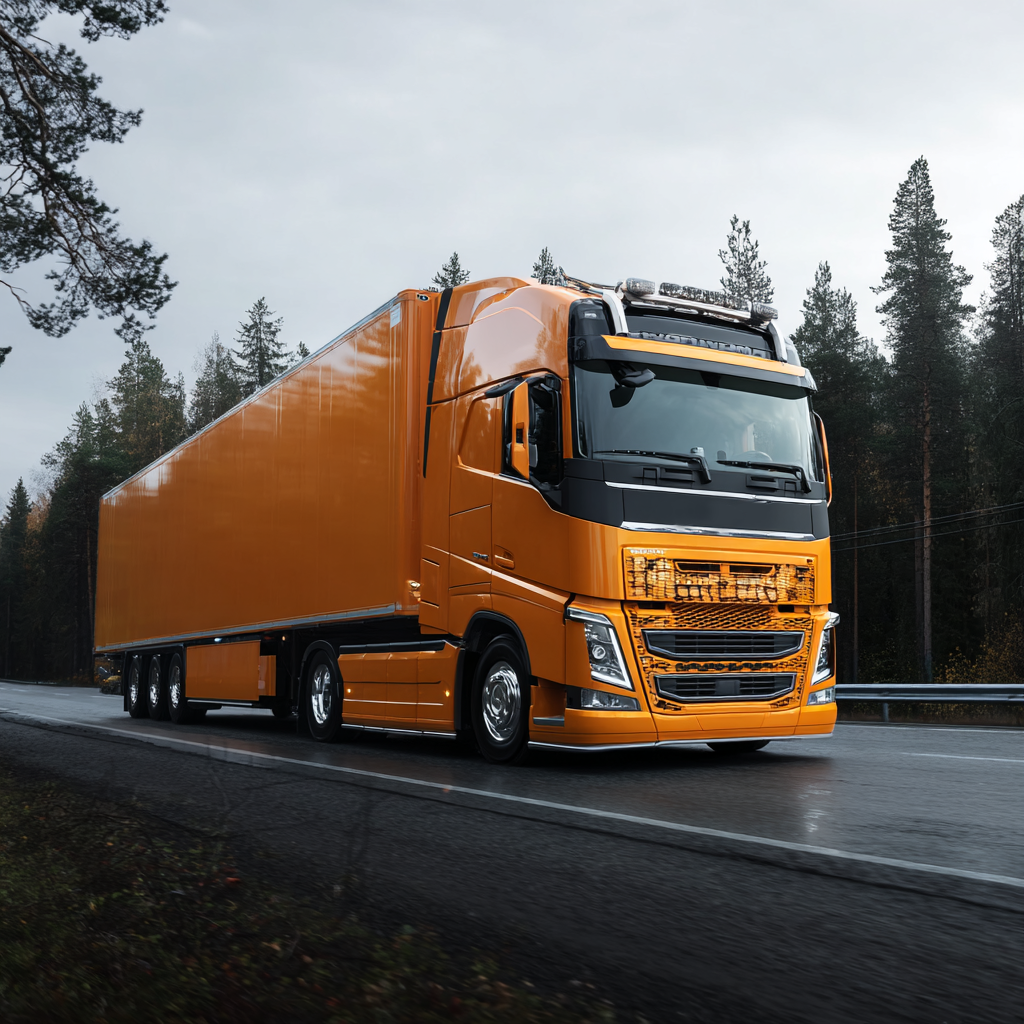
DPF Removal on Volvo Trucks: Is This Procedure Suitable for Your Truck?

All the modern Volvo trucks receive integration of advanced emissions control systems due to harse global environmental regulations.An important constituent is also the Diesel Particulate Filter (DPF), designed to capture small particulates of soot and prevent them from being released to the environment.
There is no doubt that the DPF is effective in eliminating noxious emissions. But the headaches truck owners face in servicing costs, operational repairs, and reliability is an issue that cannot be ignored. That’s why many drivers and fleet managers start considering a DPF delete. Does it actually resolve the problem related to your Volvo Truck?
Main Volvo Trucks DPF Issues
Downtime from regeneration – During activation or forced regeneration, the engine might get interrupted due to limp mode, thus breaking operations.
Increased fuel consumption – Regeneration requires additional fuel, driving up operating costs.
Costly upkeep – Repairing or replacing a DPF that's been blocked can cost a business multiple thousands of dollars.
Sensor failures – Since the DPF system relies on multiple sensors, it’s common for them to fail and cause further issues.
Benefits of a DPF Delete on Volvo Trucks
Improved performance – Removing the DPF allows exhaust gases to flow more freely, boosting horsepower and improving throttle response.
Reduced maintenance expenditure cost - No more timelier restroom cleaning, regeneration cycles, or expensive filters to change.
Better fuel economy – With no regeneration cycles that burn excess fuel, there are savings at the pumps.
Extended engine life – A clogged or failing DPF can cause backpressure, which strains the engine. Deleteting it will reduce that risk.
The DPF Delete Process
A proper DPF delete involves two key steps:
1. Mechanical Removal
The Filter removal from the exhaust system.
Installation of straight piped section, or hollowed out housing.
2. Software Tuning
ECU reprogramming (ECM tuning) and turning off DPF related functions.
Turning off sensors, clearing fault codes, and preventing limp mode.
⚠️ Important: This procedure should only be performed by experienced professionals. Incorrect tuning can damage your engine or electronics.

Volvo FH
Do You Need ECU Reprogramming?
Yes — absolutely. From a theoretical investment attitude that pushes the filter removal physically might cause the rather intense scenarios like cycles of regeneration as the masses get recalibrated and simultaneously distress codes get assigned, and eventually the vehicle enters a state of reserve functionality. Proper tuning ensures smooth and stable engine performance after the delete.
What About Warranty?
If your Volvo truck is still under warranty, be aware that the manufacturer may refuse free repairs if they detect emissions system tampering. For this reason, most owners wait until the warranty period has expired before going through with a DPF delete.
Can You Reinstall the DPF Later?
Technically yes — you can buy a new filter and flash the ECU back to stock settings. But in practice, this is extremely expensive, and most owners never go back once the delete is done.
An Alternative: DPF Emulators
In regions where full DPF removal can result in fines, many owners opt for DPF emulators. These devices mimic the signals of a functioning DPF system, preventing error codes and regeneration attempts. Physically, the filter may be removed or bypassed, but the ECU “believes” it’s still working.
This particular example describes why emulators are quite popular in places that have stricter emission regulations.
Conclusion
The DPF delete on a Volvo truck can provide you with:
Reduce fuel and maintenance costs
Increase power and reliability
Minimize downtime during trips
However, it’s not a decision to take lightly. It is necessary to reflect on regional stipulations, your conditions of operation, as well as the aspect of professional installation as well.
If you’re tired of constant DPF problems but still want to stay compliant with local laws, a DPF emulator might be the smarter, more flexible choice.