Tuning and DPF/SCR Removal on Volvo Penta Engines for Boats and Yachts
Every modern Volvo Penta engine is equipped with a DPF and SCR emission system. These systems reduce harmful exhaust and comply with emissions standard set by the IMO (International Maritime Organization) and EPA (United States Environmental Protection Agency). However, these systems can also present issues boat and yacht owners must contend with, including increased fuel consumption, less power, exhaust related issues, restrictions on RPMs, and expensive maintenance. That’s why tuning and DPF/SCR deactivation have become popular solutions among vessel owners looking to improve reliability and cut operating costs.
In this article, we’ll break down the key nuances, benefits, and risks of these upgrades—and explain why proper tuning is far more important than any mechanical modification.
Why Do Boat Owners Remove DPF and SCR?
Despite their environmental benefits, exhaust-aftertreatment systems on marine diesel engines frequently lead to several operational challenges:
1. Power and Torque Loss
The DPF creates exhaust restriction, while the SCR requires precise dosing of the DEF/AdBlue reagent. Under high loads, this can result in noticeable torque drop, particularly during rapid acceleration or when getting the boat on plane.
2. Fault Codes and Limp Mode
Some of the most popular complaints from Volvo Penta owners are:
NOx sensor errors
DEF dosing system malfunctions
Clogged diesel particulate filter
Limp-mode activation with RPM limitations
For a boat, these issues are critical—loss of power offshore can be dangerous.
3. High Maintenance Costs
During their operation, marine engines experience fluctuations in load and speed, which in turn leads to faster clogging than the DPFs found in vehicles. Regular regenerations, filter exchanges, and SCR cleanings have their costs, and so do sensor updates.
4. Increased Fuel Consumption
Any faults in the DPF/SCR system create added load on the engine, increasing fuel consumption by 5–15%.
What Does Volvo Penta Tuning With DPF/SCR Deactivation Provide?
 Proper electronic optimization and emissions-system deactivation deliver:
Increased Power and Torque
Removing restrictions and optimizing injection maps allows the engine to run more freely, improving acceleration and planning performance.
Reduced Fuel Consumption
A correctly calibrated ECU program reduces engine load and optimizes fuel delivery at mid and high RPM.
Complete Elimination of Exhaust-Related Errors
After tuning, the ECU stops logging SCR/DPF faults and no longer forces the engine into limp mode.
Extended Engine Life
Letting the exhaust backpressure loosen reduces the stress of the exhaust system and the turbocharger.
No More Regenerations or Aftertreatment Maintenance
No filter cleaning, no sensor replacements, no DEF refills.
Technical Nuances of DPF/SCR Removal on Volvo Penta
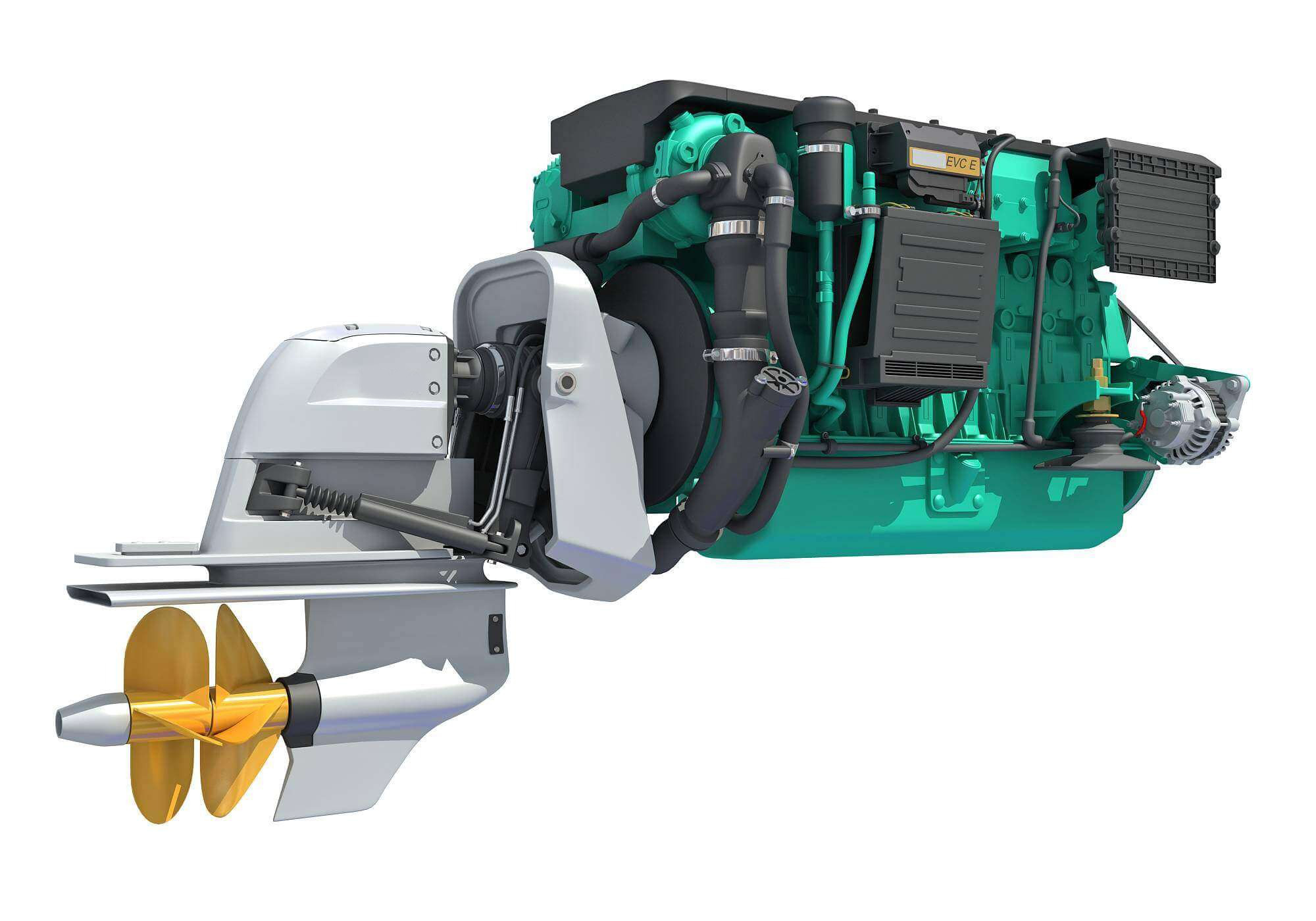 Emissions systems on marine engines need specialized removals. Here’s what to think about:
1. Software-Only Deactivation Is Not Enough
Both software and hardware modifications are necessary:
remove DPF internals or install a straight section
disable SCR and the DEF pump
properly terminate NOx sensors
2. ECU Firmware Update
Volvo Penta uses unique EVC/ECU firmware different from Volvo truck engines. Inexperienced tuning can cause:
unstable RPM behavior
turbo overheating
detonation and reduced engine life
3. Calibration for Marine Operating Conditions
The operation of a boat engine is completely different from a truck engine:
long periods under heavy load
saltwater exposure
vibrations
temperature fluctuations
Fuel maps must be tailored specifically for these conditions.
4. Moisture and Corrosion Protection
After physical removal, it’s crucial to:
seal all connectors
cap removed lines
protect SCR wiring
Real-World Numbers After Professional Deactivation
(Based on 2023–2025 dyno tests and owner feedback)
Parameter | Stock | After Stage 5 Removal | Gain |
Power (hp) | 300–480 | +18–28% | +55–130 hp |
Torque (Nm) | 950–1800 | +20–30% | +250–500 Nm |
Fuel Consumption | 100% | –12…–22% | up to –45 l/h on 400 hp |
AdBlue Usage | 8–15% of fuel | 0% | saves 500–2000 l/season |
Exhaust Temperature | 350–450°C | 480–580°C | faster warm-up |
System Reliability | frequent errors | errors fully removed | — |
Possible Downsides and Risks
Although tuning provides noticeable improvements, it’s important to keep the drawbacks in mind:
increased NOx and soot emissions
potential issues with authorities in countries with strict regulations
the need to use qualified specialists—not “garage-level” tuners
Improper tuning can lead to higher fuel consumption, overheating, and engine damage.
When Is Volvo Penta Tuning Truly Justified?
DPF/SCR removal and ECU tuning make sense when:
the engine loses power under load
the boat struggles to get on plane
NOx or DEF errors constantly appear
the DPF keeps clogging
the owner needs maximum reliability far from service facilities
maximum torque and stable cruising performance are required
Should You Do It in 2025–2026?
If you:
operate your boat extensively (150–200+ engine hours per season)
don’t want to depend on AdBlue or frequent service
want +20–30% power and –15–20% fuel consumption
…then DPF/SCR removal + ECU tuning is one of the most cost-effective upgrades for your boat or yacht.
Conclusion
The tuning and DPF/SCR deactivation for Volvo Penta marine engines can increase power, reliability, and operating cost efficiency. Also, these upgrades need to be done by a professional with experience in marine diesel systems.
Optimizing your boat's performance makes it much more stable and comfortable for the long-distance trips, heavy use, and sailing in remote areas where paddles and other service areas are unavailable.