Forced DPF Regeneration on Volvo Equipment: When It’s Needed and How to Do It Properly
On occasion, Volvo trucks and construction machines need to have forced DPF regeneration, when automatic cleaning does work. This document details the DPF system and the differences between passive, active, and forced regeneration and the situations that require manual cleaning. It also details the right step-by-step format and common mistakes to avoid, and circumstances where regeneration would be futile. The right diagnosis and the right procedure are vital to safeguarding the DPF system from damage and increasing its operational lifespan.
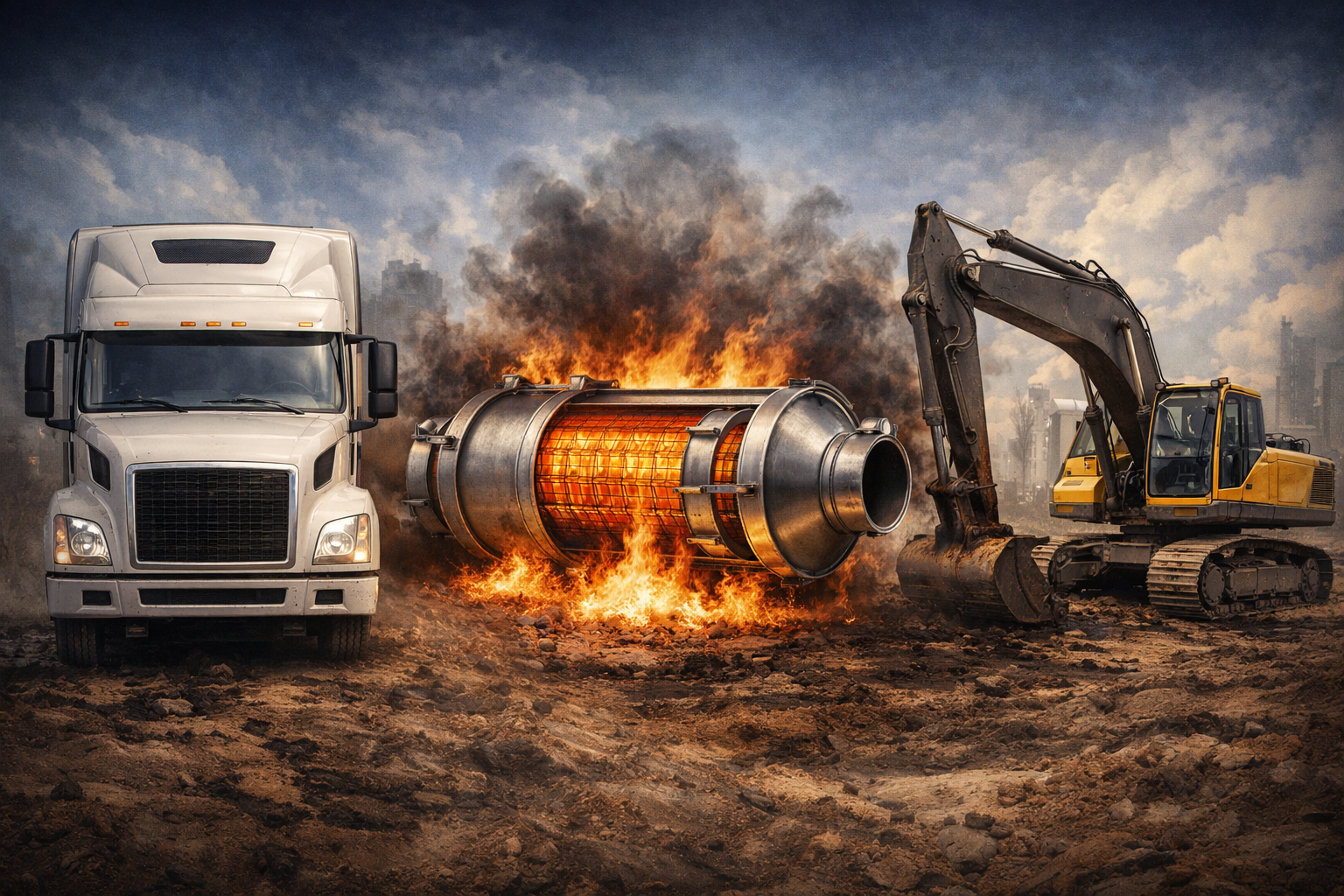
The Diesel Particulate Filter (DPF) is a key component of the emissions system on modern Volvo trucks and construction equipment. This helps the equipment meet EPA, Euro, and other environmental standards by capturing soot particles and lowering harmful emissions. Eventually, though, the DPF becomes jammed with soot and needs cleaning through the process of regeneration. In most cases, the system performs this process automatically — but sometimes a forced DPF regeneration is required.
In this article, we’ll explain when forced regeneration is truly necessary, how to perform it correctly, and which mistakes can lead to costly repairs.
What is the DPF and why is Regeneration Needed?
A DPF is an exhaust filter that removes the soot contained in diesel exhaust. Soot accumulates and the filter is less efficient which triggers problems in the engine, like power loss and the limp mode activating.
Regeneration happens when soot built up is burned at high enough temperatures that it turns into ash. There are three types of regeneration:
Passive Regeneration: Happens by itself while driving on the highway when temperatures in the exhaust are on the higher end (482-662°F / 250-350°C).
Active Regeneration: Initiated by the ECU when soot levels rise, injecting additional fuel to raise temperatures to 1022–1112°F (550–600°C).
Forced Regeneration: When automatic modes do not work, a technician must use diagnostic tools, or service software/system to help resolve the issues that the automatic modes failed to resolve. Temperatures may reach 1112–1472°F (600–800°C).
On Volvo machines, regeneration typically takes 20–60 minutes and requires several conditions, such as a full AdBlue tank (for Euro-6 engines) and the absence of critical fault codes.
When Forced DPF Regeneration is Necessary For Volvo Equipment?
The forced regeneration is performed when:
1. Automatic regeneration does not initiate or has a interruption
Common reasons include:
short-distance driving,
extended idling,
low-speed operation on construction sites.
2. Soot levels reach a critical point
When the DPF gets extremely clogged, the dashboard may show the following:
DPF Full
Soot Level High
Engine Derate
Exhaust system fault codes (e.g., P2463, P242F, or Volvo Tech Tool equivalents)
3. The regeneration system is malfunctioning
This may be caused by:
faulty pressure sensors,
inaccurate temperature readings,
issues with the diesel dosing module,
ECU faults.
4. The equipment enters derate mode
In this mode, the engine limits power to protect the DPF — a serious problem for trucks and heavy machinery.
Signs of a Clogged DPF
DPF warning light on the dashboard
Increased fuel consumption
Power loss, high idle RPM (around 1000 rpm)
Change in exhaust smell or visible vapor
Differential pressure above 30 kPa (checked via a scanner)
OBD messages indicating high soot mass
How to Perform a Forced DPF Regeneration on a Volvo
Although you are working with Volvo Trucks, Volvo Construction Equipment, or Volvo Penta engines, the overall workflow will be the same, but the steps will be a bit different.
Step 1: Perform diagnostics
Before starting regeneration, make sure:
all sensors are functioning properly,
soot levels are truly high,
no fault codes are blocking regeneration.
Step 2: Confirm that all regeneration conditions are met
Typically required:
engine temperature of at least 140–160°F (60–70°C),
fuel level above 25–30%,
operation outdoors,
no flammable materials nearby.
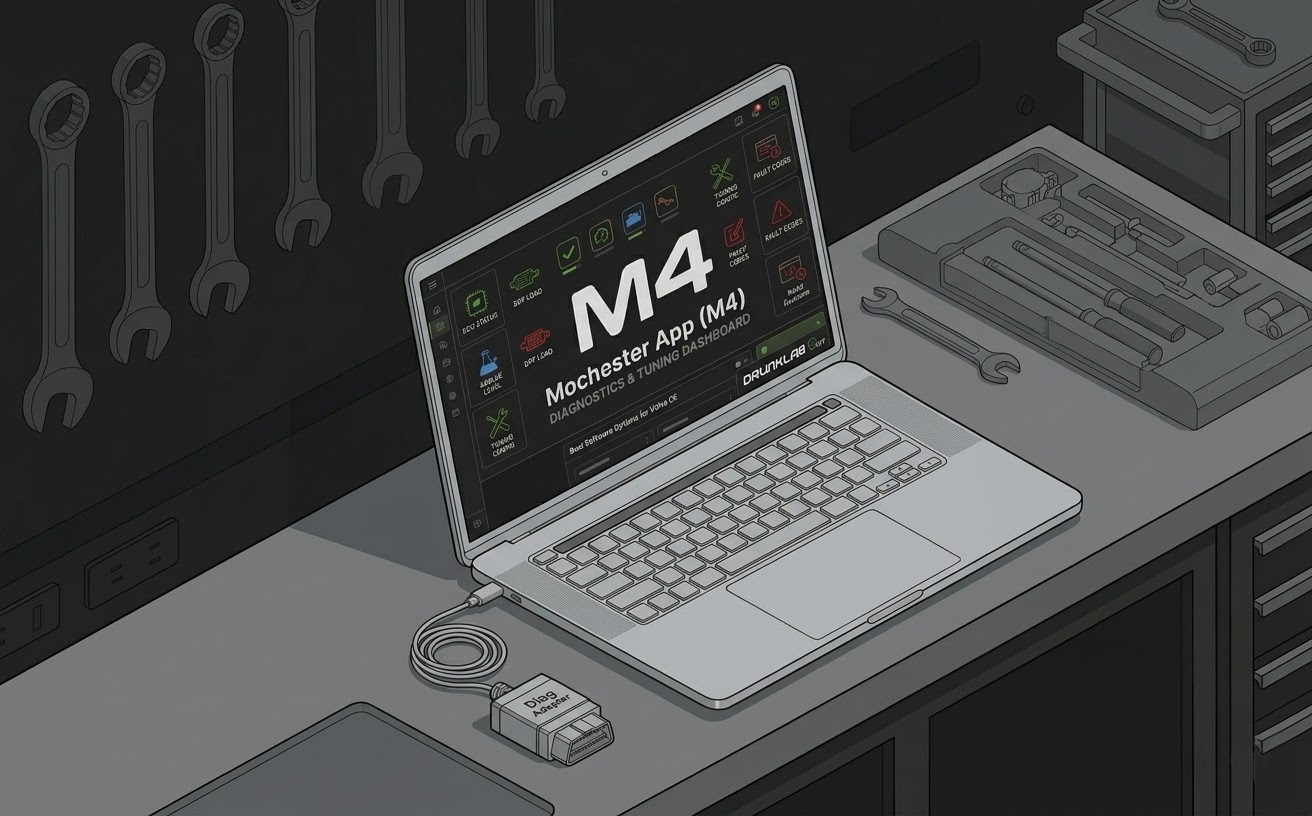
Step 3: Start forced regeneration using diagnostic software
The process takes 20–60 minutes.
DPF temperatures rise to 1112–1200°F (600–650°C), and soot levels gradually decrease.
Step 4: Verify the results
After completion:
check that differential pressure is within spec,
confirm no residual fault codes,
perform a test drive.
Common Mistakes During Forced Regeneration
1. Performing regeneration without diagnostics
If a temperature or pressure sensor is faulty, a forced regens will likely fail and/or further exacerbate the issue at hand.
2. Running regeneration too frequently
Excessive regens accelerate DPF wear.
3. Ignoring the root cause of clogging
DPF clogging is often a symptom of:
EGR malfunctions,
high oil consumption,
improper fuel injection,
low-quality diesel.
If you only remove the soot but not the cause, the issue will return.
Safety Tips and Warnings
Safety: Avoid direct contact with the exhaust — temperatures may exceed 932°F (500°C). Do not perform regeneration indoors.
Frequency: City driving requires more frequent recharges (every 60-250 miles). Highway driving requires fewer.
Troubleshooting: If regeneration is not successful, the EGR system, sensors, and pressure tubes should be checked.
Tools: Use an OBD scanner to monitor soot mass and differential pressure.
Prevention: Drive at higher speeds periodically and use high-quality fuel.
If issues persist, contact an authorized Volvo service center — improper handling can damage the system.
When Forced Regeneration Won’t Help
Forced regeneration is ineffective if:
the filter is clogged with ash rather than soot (ash cannot burn),
the DPF is cracked or damaged,
the engine has major mechanical issues,
exhaust sensors are providing incorrect data.
In such cases, you may need:
professional DPF cleaning,
repair or replacement of the filter,
software or hardware repair of the emissions system.
How to Extend DPF Life on Volvo Equipment
Use high-quality fuel
Maintain proper combustion
Perform regular diagnostics
Avoid shutting off the engine immediately after heavy load
Avoid long periods of idling
Monitor oil consumption — burning oil quickly fills the DPF with ash
Conclusion
On a Volvo truck or pieces of construction equipment, performing forced DPF regeneration is a good way to improve performance — provided, of course, that it's done properly. This prevents expensive breakdowns of the DPF and repairs over the lifespan of the DPF and the machine as well as minimizing costly standstills.
The key is not to rely on forced regeneration as a universal solution. If the system requires frequent regens, the root cause must be identified and eliminated.