DPF Features on Volvo EC, EW, and L Equipment: Common Problems and Practical Solutions
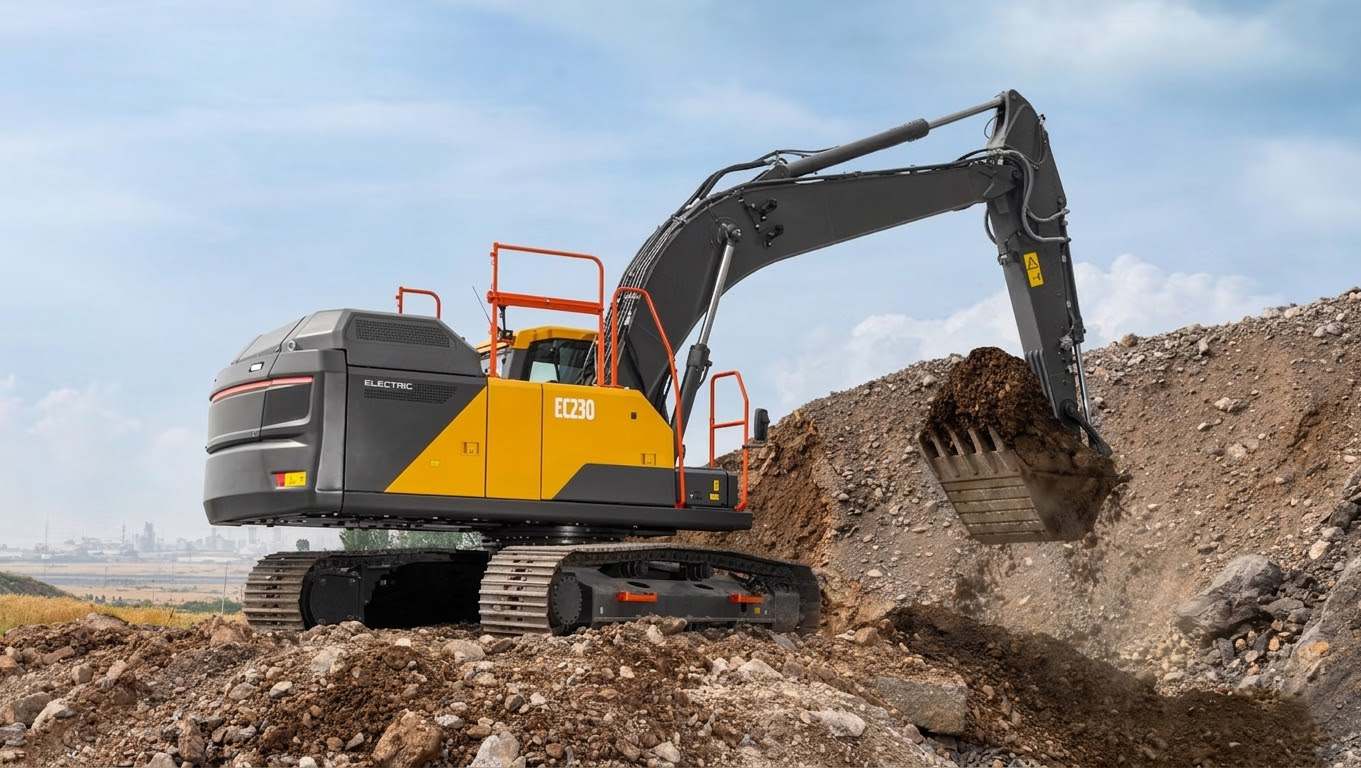
Volvo construction equipment in the EC (crawler excavators), EW (wheeled excavators), and L (wheel loaders) series is equipped with a DPF (Diesel Particulate Filter) exhaust aftertreatment system. On the one hand, it allows the machines to comply with US EPA Tier 4 / EU Stage V environmental standards; on the other, it often becomes a source of recurring faults and equipment downtime. In this article, we’ll break down how the DPF system works on Volvo construction machinery, which problems occur most frequently, and which solutions actually work in real-world operation.
How the DPF System Works on Volvo Construction Equipment
A DPF, or Diesel Particulate Filter, is a type of diesel particulate filter that is made of ceramic and has a honeycomb-type pattern that traps and holds particulate soot created by diesel engines.
For Volvo EC and EW L machines, the DOC (Diesel Oxidation Catalyst) and the DPF integrated into a single housing, which works in conjunction with:
exhaust gas temperature sensors
a differential pressure sensor
active and passive regeneration systems
the engine control unit (ECU)
The more soot that builds up, the more the DPF has to do regeneration, which is the burning off of deposits at high levels of temperature. DPF regeneration can be:
Passive: Occurs automatically at high exhaust temperatures during intensive machine operation.
Active: The system adds more fuel to raise the temperature to about 600°C in order to burn off the soot.
Forced: Initiated by the operator or via Volvo Tech Tool (PTT) while the machine is stationary.
On Volvo CE equipment, regeneration often requires stable engine speed and minimal load variation. On EC and EW excavators, this can be more difficult due to cyclical operation (digging–pause), while on L-series loaders it is easier during long transport cycles. However, this is exactly where the main problems begin.
Common DPF Problems on Volvo EC, EW, and L
1. DPF Clogging Under Low-Load Operation
Construction equipment frequently operates:
at idle
in short cycles
at low engine speeds
The most common complaint from owners is frequent regeneration requests or the “DPF full” warning. As a result, soot accumulates, leading to:
reduced engine power
increased fuel consumption
DPF / Check Engine faults
engine derate or limp mode
2. Constantly Incomplete Regenerations
On Volvo EC and EW excavators, regeneration is often interrupted:
due to engine shutdown
because of jobsite operating conditions
when manually blocked by the operator
On models such as the EC250/EC300 and EW180, this is caused by interrupted duty cycles: the machine works in short intervals, and the exhaust does not heat up sufficiently. Under these conditions, regeneration cannot complete, soot continues to build up, and the filter clogs quickly. This leads to accelerated DPF wear and the need for forced cleaning.
3. DPF Sensor Failures
The most vulnerable components are:
the differential pressure sensor
temperature sensors before and after the filter
Due to dust, vibration, and high temperatures, sensors may provide incorrect readings, triggering false faults and blocking regeneration.
4. Costly Cleaning or Filter Replacement
Over time, the DPF fills not only with soot but also with ash, which cannot be burned off. This results in:
the need for DPF removal
chemical or thermal cleaning
complete DPF replacement (very expensive)
5. EGR and AdBlue-Related Issues
If the EGR system breaks down, it will begin to produce more soot that clogs the DPF. On machines equipped with SCR, poor-quality urea (AdBlue) can cause crystallization and indirectly affect DPF operation. Service centers and user forums note that in cold climates or quarry environments (e.g., L120, EW180 models), DPF clogging occurs more rapidly.
Effective Solutions to DPF Problems on Volvo Equipment
Preventive Measures
Use only high-quality low-ash fuel and engine oil (Volvo VDS-4.5).
Aim to keep running the engine at higher speeds for over 30-40 minutes so passive regeneration can take place.
Perform regular maintenance: inspect sensors and pressure lines for contamination.
Regular Forced Regeneration
Use the Volvo PTT diagnostic tool to initiate forced regeneration. Please allow 30 to 60 minutes for the process to be completed. The machine must be parked in a safe area with good ventilation.
This approach is suitable only when:
sensors are functioning correctly
operating conditions are appropriate
clogging levels are still moderate
It does not fully solve the problem but helps postpone major repairs.
Diagnostics and Professional DPF Cleaning
For diagnostics and fault code reading, you can use any convenient solution such as the Mochester 4 App (M4 App), Volvo PTT, or similar tools.
Professional DPF cleaning (ultrasonic or thermal) is an alternative to replacement.
Pros:
good temporary restoration of flow capacity
significantly cheaper than replacement
Cons:
does not completely remove ash
limited service life of the result
Replace faulty sensors (differential pressure, temperature) as required.
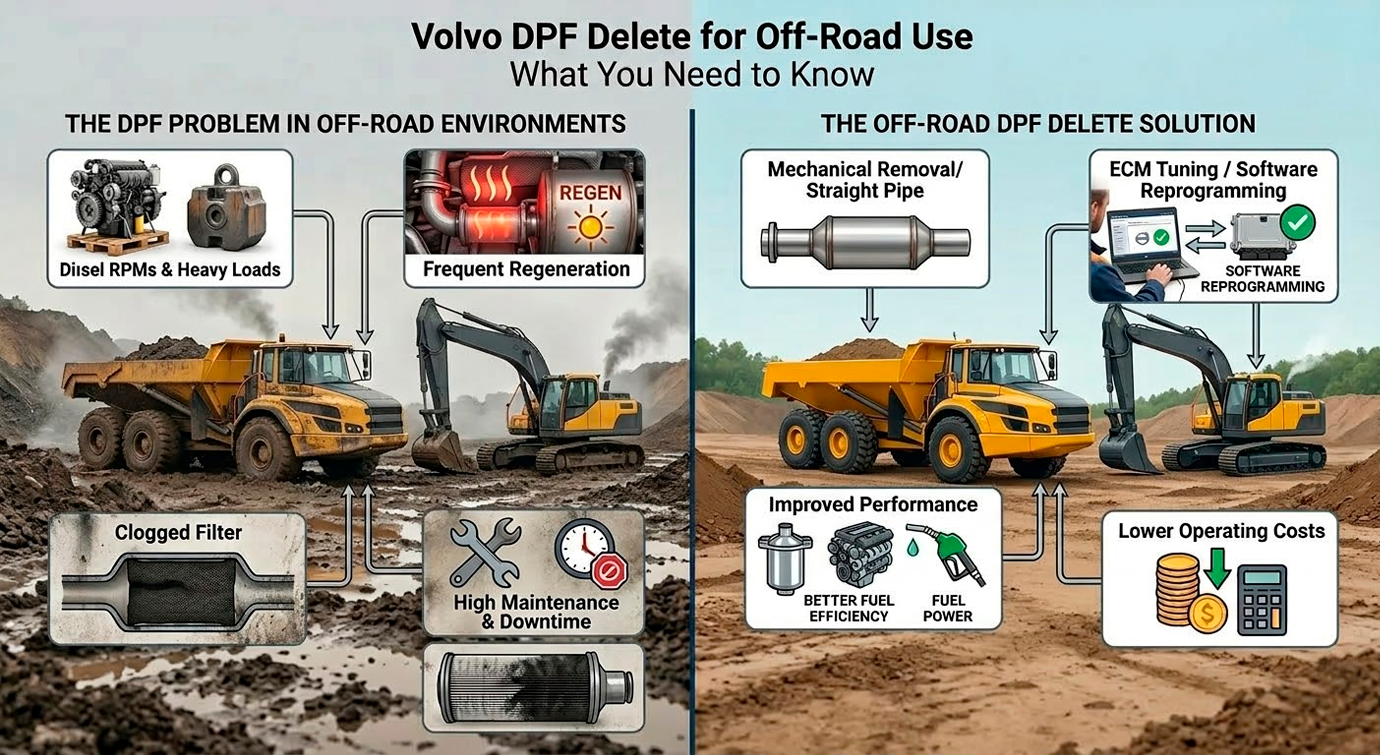
Software-Based DPF Deactivation
In practice, this is one of the most reliable solutions for machines operating off public roads — in quarries, on construction sites, or in forestry.
Advantages:
stable engine operation
no derate or limp modes
reduced fuel consumption
no downtime due to regeneration cycles
For Volvo EC, EW, and L machines, it is critical that deactivation is performed correctly at the firmware level, with proper ECU reprogramming while preserving engine logic. In addition, physical removal of the DPF is required. We strongly recommend entrusting this set of procedures to experienced professionals.
What Volvo Equipment Owners Should Keep in Mind
DPF systems are highly sensitive to operating modes and fuel quality
DPF-related faults almost always lead to reduced productivity
frequent regenerations accelerate wear of the turbocharger and exhaust system
poorly implemented sensor “emulators” often cause new fault codes
Conclusion
The DPF system on Volvo EC, EW, and L construction equipment is an effective emissions-reduction solution, but at the same time it is one of the most problematic components due to its sensitivity to operating conditions. At construction sites and quarries, DPF systems work outside of optimal parameters, which causes clogging, faults, and downtime.
For short-term relief, timely regeneration, professional cleaning, and high-quality consumables can help. However, for long-term stable operation, many owners ultimately choose professional software solutions tailored to the real-world operating conditions of their equipment.