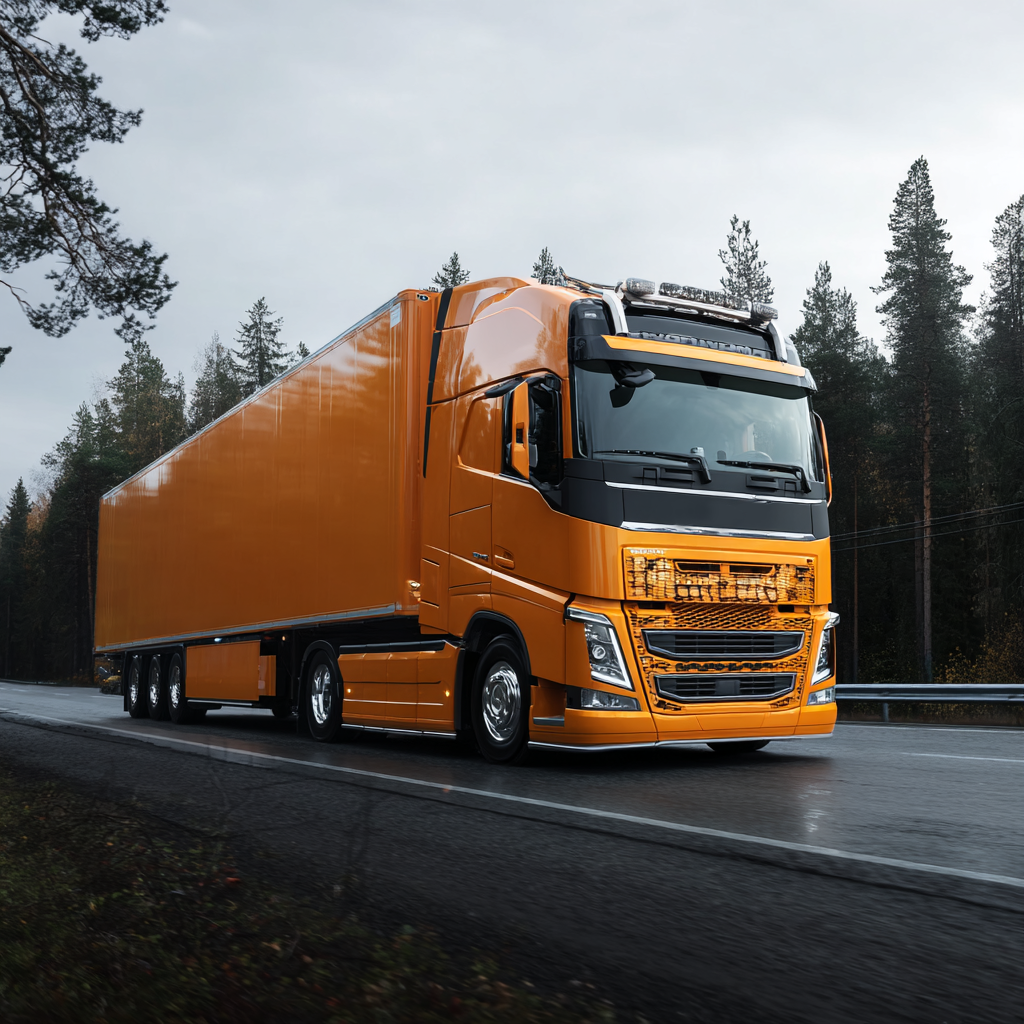
uel Efficiency After DPF/EGR Tuning on Volvo Trucks and Construction Equipment: Why Removal Is More Effective Than Constant Repairs

Modern Volvo trucks and construction equipment are equipped with complex emissions control systems — DPF (Diesel Particulate Filter) and EGR (Exhaust Gas Recirculation). Formally, these components are designed to reduce emissions, but in real-world operation they are most often the source of power loss, increased fuel consumption, and regular equipment downtime.
Repairing the DPF and EGR can temporarily restore functionality, but as mileage and operating hours increase, the problem inevitably returns. This is why more and more Volvo owners are moving away from cyclical repairs toward DPF/EGR tuning with subsequent software-based removal, as a more stable and efficient solution in terms of fuel economy and engine longevity.
Why DPF and EGR Are the Weak Link in Real-World Volvo Operation
The DPF (Diesel Particulate Filter) traps soot in the exhaust gases, while the EGR lowers combustion temperatures by redirecting part of the exhaust back into the intake. In theory, the system works effectively, but in real operating conditions for Volvo trucks and construction equipment, the situation looks very different.
When operating:
in quarries;
on construction sites;
in urban cycles with frequent stops;
at low RPM under high load,
the DPF quickly becomes clogged with soot, and the EGR valve accumulates heavy carbon deposits.
This leads to the following consequences:
increased exhaust backpressure;
degraded turbocharger performance;
higher fuel consumption due to frequent regenerations;
loss of torque;
delayed throttle response;
frequent limp mode events.
Even after cleaning or repairing the system, these symptoms tend to return over time, turning regular DPF/EGR service into a constant operating expense.
Why DPF/EGR Tuning and Removal Are More Effective Than Regular Repairs
Unlike some periodic restorations, tuning paired with software deactivation, DPF removal, and EGR removal resolves the underlying issues instead of just the symptoms.
What changes after tuning:
exhaust backpressure is eliminated;
the turbocharger operates in its normal range;
active regenerations stop;
air–fuel mixture formation improves;
thermal load on the engine is reduced;
stable low-RPM torque is restored.
For Volvo D11, D13, and D16 engines, as well as EC-, L-, and A-series construction equipment, this is especially critical, as these machines are designed to operate under constant load — not under emissions-driven compromises.
The Impact of DPF/EGR Tuning on Fuel Efficiency
In real-world operation, after DPF/EGR tuning and removal, Volvo equipment owners report:
reduced actual fuel consumption;
no excess fuel usage for regenerations;
smoother and more predictable engine operation;
improved performance under load;
higher efficiency in demanding working conditions.
The fuel savings are particularly noticeable on equipment where regenerations were previously frequent or often ended in emergency shutdowns.
Why Simple Repairs Often Lead to Power Loss
Regular DPF/EGR repairs do not always fully solve the problem. Power loss and increased fuel consumption occur when:
the filter is cleaned improperly;
the DPF substrate structure is damaged;
the EGR is mechanically blocked without proper software calibration;
soot and ash counters are not reset;
generic or incorrect software files are used.
As a result, the engine continues to operate under protective algorithms of the EMS (Engine Management System) and ACM (Aftertreatment Control Module), limiting fuel delivery and engine power.
What Proper DPF/EGR Tuning on Volvo Includes
A professional approach includes:
full EMS and ACM diagnostics via the CAN bus (Controller Area Network);
software-level deactivation of DPF and EGR logic;
adjustment of fuel and air maps;
removal of active and hidden power limitations;
preservation of factory engine temperature operating ranges.
As a result, the engine runs steadily, without faults and without constant interference from the exhaust aftertreatment system.
Real-World Operating Results
After DPF/EGR tuning and removal, Volvo equipment demonstrates:
stable torque output;
improved low-RPM pulling power;
reduced downtime;
predictable fuel consumption;
extended turbocharger and engine service life.
This is especially relevant for construction equipment and trucks operating in heavy-duty conditions, where emissions systems are originally pushed to their limits.
Conclusion
Repairing DPFs and EGRs on Volvo trucks and construction equipment will continue to be a short-term fix as long as the root cause of power loss and higher fuel consumption remains unaddressed. DPF/EGR system tuning with subsequent removal allows for stable engine operation, reduced operating costs, and the restoration of the machine’s true performance potential.
With a properly executed software approach, you:
eliminate constant repairs;
preserve and increase engine power;
reduce fuel consumption;
extend engine and turbocharger lifespan;
minimize downtime and limp mode events.
In real-world Volvo operating conditions, comprehensive DPF/EGR tuning proves to be a more effective and economically justified solution compared to endless restoration of emissions control systems.