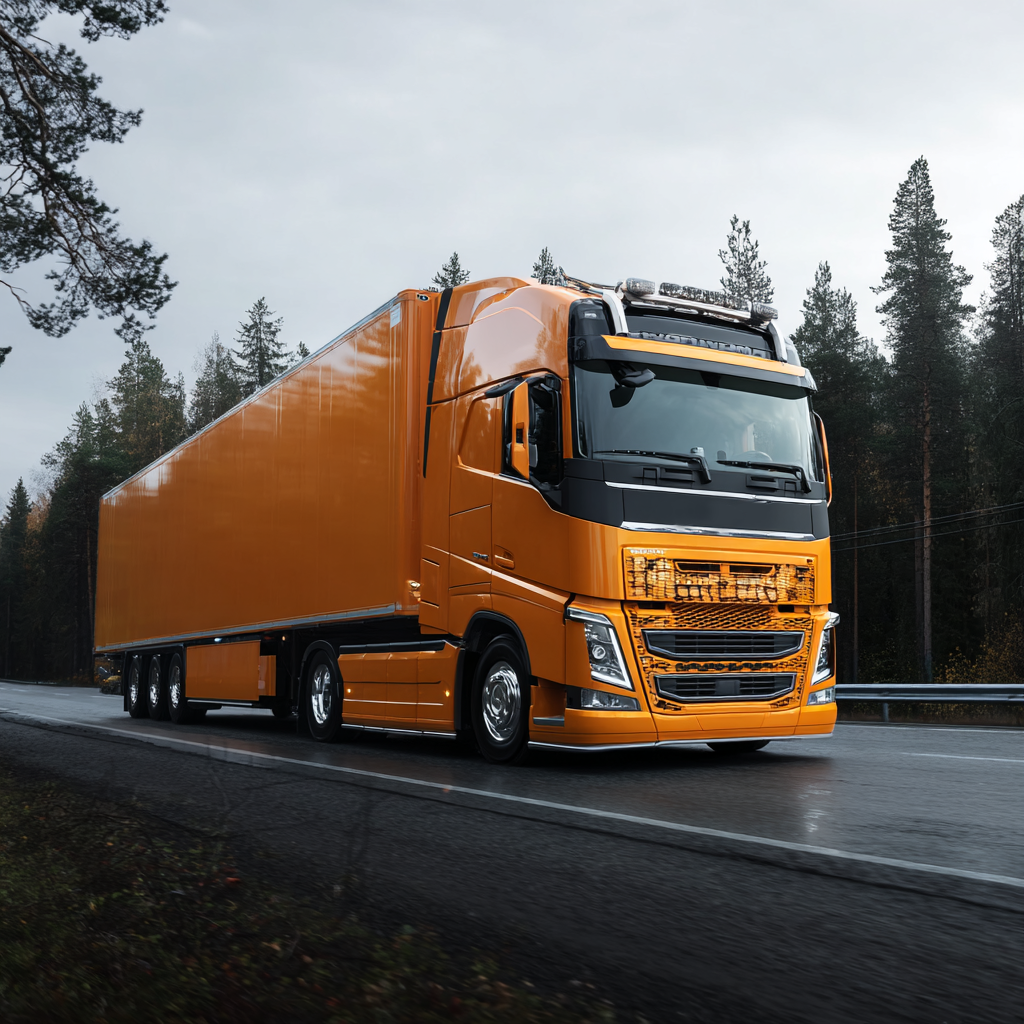
Volvo D12 EGR and DPF Delete Guide

North America has earned Volvo D12 engine top reviews as a work horse. From long-haul Volvo VNL trucks to Prevost coaches, dump trucks, and construction vehicles, the D12 has powered fleets for decades. Equipped with DPF like most contemporaries, this also features EGR like many modern diesels.
Although engineered to satisfy stringent environmental regulations, in practice, these technologies tend to produce performance and maintenance challenges. That’s why many truck and bus owners explore EGR and DPF delete solutions for their Volvo D12 engines.
In this article, we’ll break down:
What EGR and DPF do on a Volvo D12
The common problems they cause
The benefits of removing them
Key things you must consider before going through with a delete
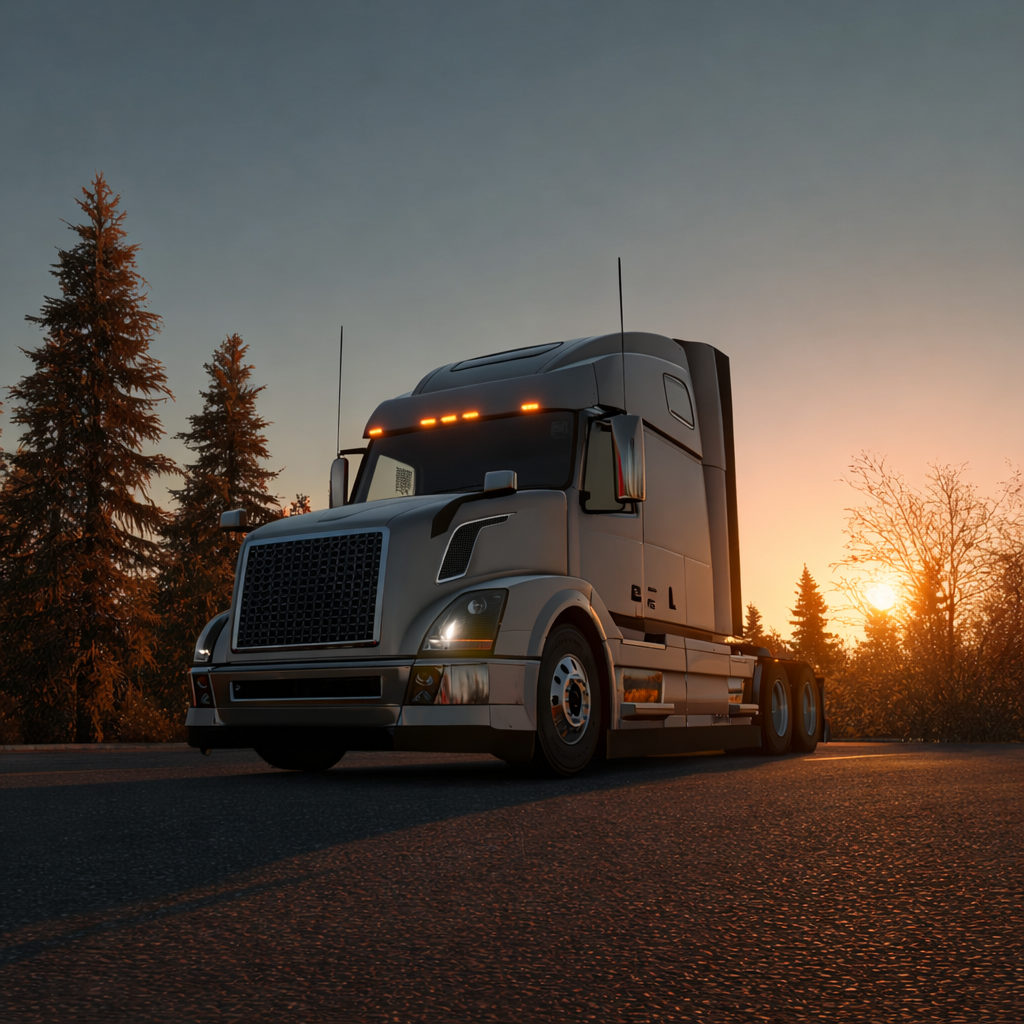
Volvo VNL
What Are EGR and DPF on the Volvo D12?
EGR (Exhaust Gas Recirculation)
To lower the combustion temperatures and reduce nitrogen oxide emissions, the EGR system discharges the exhaust gases back into the intake combat slittle. In practice though, when examining D12 engine models, EGR systems typically result in:
Heavy carbon buildup
Faster wear on the intake system
Noticeable power loss
DPF (Diesel Particulate Filter)
The DPF captures soot particles before they’re released into the air. To clean itself, it relies on a regeneration process that consumes extra fuel and requires high exhaust temperatures. Over time, DPF problems include:
Frequent clogging
Increased exhaust backpressure
Fault codes and engine derates
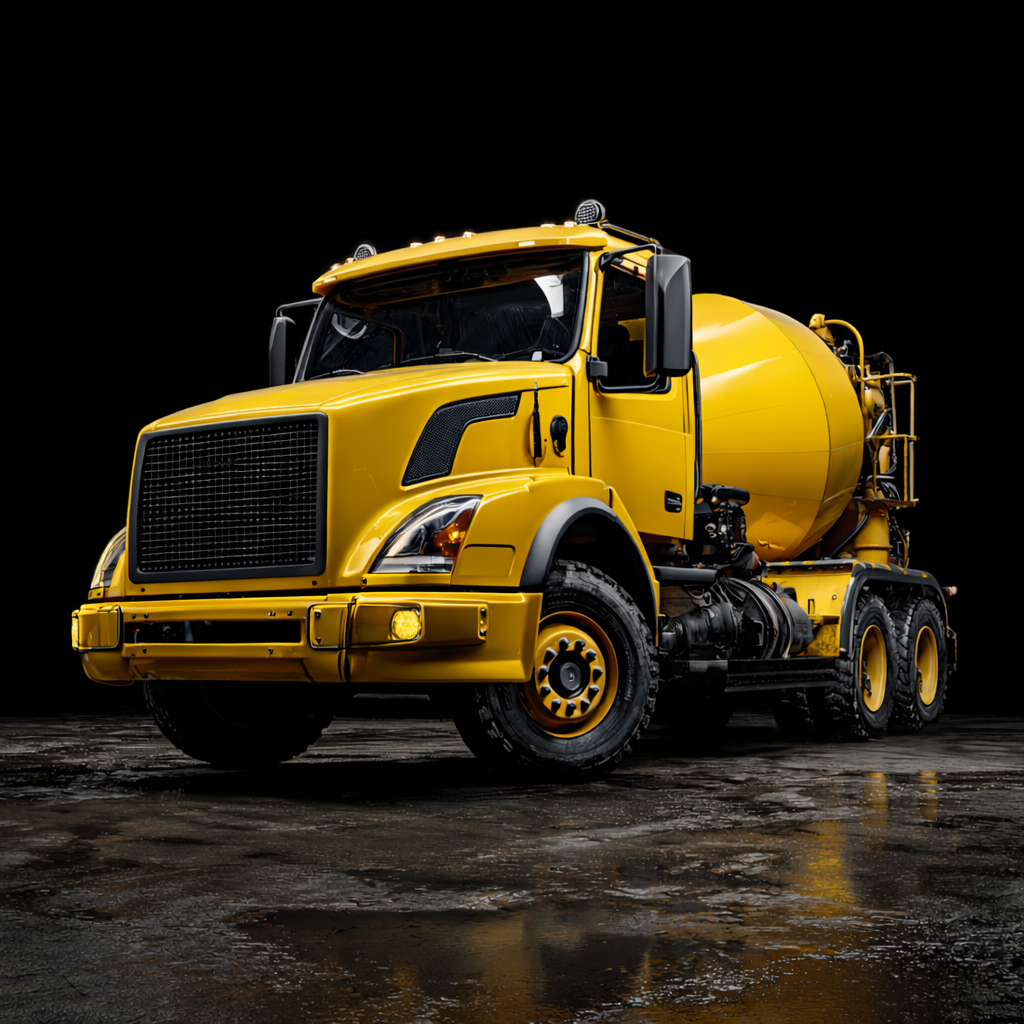
Volvo VHD
Common Volvo D12 EGR and DPF Problems
Owners of Volvo D12-powered trucks often report:
Repeated sensor and valve failures
Higher fuel consumption
Reduced horsepower and torque
Unplanned downtime from system errors
Expensive filter replacements and maintenance
For vehicles with high mileage or those running in tough conditions, these issues can drive up operating costs significantly.
Volvo D12 EGR and DPF Delete Benefits
The emissions systems deletion can give some obvious benefits:
Greater performance and torque – the engine 'breathes' easier without restrictions.
Reduced fuel use – particularly useful for long– haul flights
Reduced maintenance costs – no more expensive filters or sensors
Less downtime – fewer fault codes and limp modes
Extended engine life – less carbon buildup, reduced turbo and cylinder wear
Important Considerations Before Deleting EGR and DPF
Before moving forward with an EGR and DPF delete on a Volvo D12, keep these points in mind:
Legal issues – In some regions, removing emissions equipment is against environmental regulations.
ECM tuning required - Further along the silos, the proper Reprogramming of the Engine Control Unit is expected for the zone's maximized efficiency.
Professional installation – Deleting these systems incorrectly can cause severe engine damage.
Conclusion
Operators who wish to save expenditure, decrease idle time, and regain lost efficiency will find that the EGR and DPF delete on the Volvo D12 is absolutely essential. However, this isn’t a one-size-fits-all solution. The statement need tuning and elaboration, and more judgement calls concerning legality and environment.
If your Volvo D12-powered truck or bus is constantly plagued by EGR and DPF issues, a professional delete solution may be the best path to reclaim reliability, efficiency, and power on the road.